
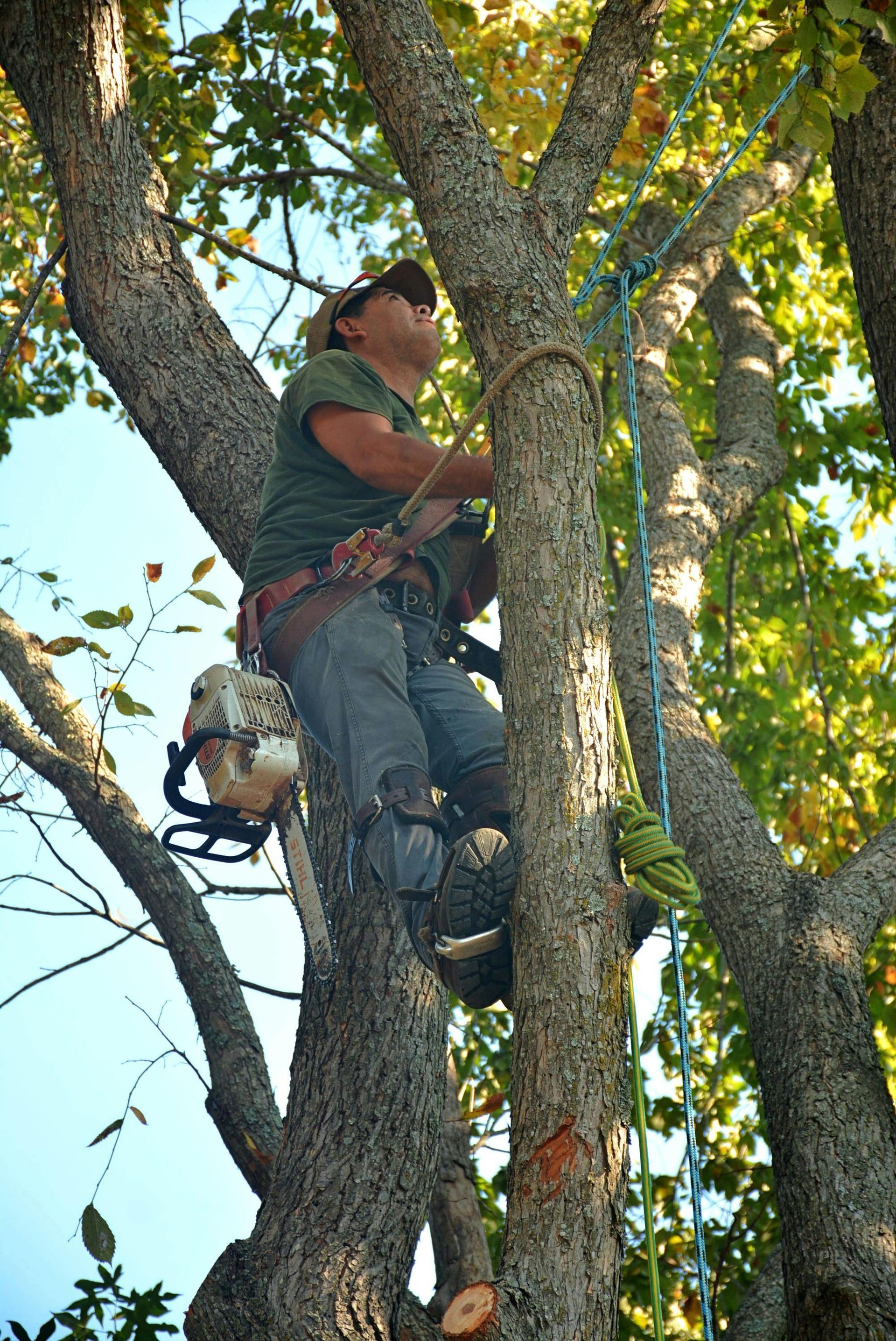
Protect Your Roof and Chimney from Overhead Hazards
Tree Trimming in Fort Myers for branches that threaten chimneys and rooflines during storms
SWFL Chimney Caps Inc. provides tree trimming services designed specifically for homeowners in Fort Myers whose properties have branches overhanging chimneys, roofs, or other vulnerable structures. This work addresses the real risk that comes with high winds and seasonal weather patterns common to the region. When limbs hang too close to your roofline or chimney, they drop leaves, twigs, and bark into gutters and flashing, and during a storm, those same branches can snap and strike masonry or roofing materials with enough force to crack caps, dislodge flashing, or punch through shingles.
The service involves cutting back limbs that pose a direct threat to your chimney structure or roof, removing weight and leverage points that could become hazards during high winds. Crews assess which branches are within striking distance, which species are prone to breakage, and which angles create the most risk based on prevailing wind direction. In Fort Myers, where afternoon thunderstorms and tropical systems bring sudden gusts, trimming back growth before peak storm season reduces the chance of emergency damage and the debris load that clogs drainage systems around your chimney.
If your property has mature trees near your chimney or roofline, reach out to schedule a trimming evaluation before the next storm cycle begins.
Why Seasonal Trimming Prevents Long-Term Damage
You will see the difference in how much less debris collects on your roof and around your chimney cap after trimming is completed. Branches that once scraped against shingles or dropped seed pods into flashing joints are pulled back to a safe distance, and the canopy above your home no longer holds limbs that could fall during the next wind event. Trimming also improves sunlight exposure, which helps roofing materials dry faster after rain and reduces the moisture that encourages algae or moss growth near chimney penetrations.
SWFL Chimney Caps Inc. tailors each trimming plan to the layout of your property and the species of trees present. Oak, pine, and palm all shed differently and respond to wind in distinct ways. Cuts are made at points that promote healthy regrowth and prevent stubs that invite rot or pest intrusion. The work does not include full tree removal, stump grinding, or treatment of diseased trees, but it does address the immediate overhead risks that affect chimney and roof integrity.
Trimming is most effective when performed on a seasonal basis, particularly in late spring or early summer before the height of storm season. Waiting until after a storm has passed often means dealing with damage that could have been avoided. Regular trimming also reduces the buildup of organic material in valleys and around chimney bases, which can trap water and lead to rust, rot, or leaks over time.
What Homeowners Ask About Tree Trimming Near Chimneys
Homeowners in Fort Myers often want to know how trimming protects their chimney and when the work should be scheduled to be most effective.
How close can branches be to a chimney before they become a problem?
Branches within six feet of your chimney or roofline can drop debris directly onto flashing and caps, and during high winds, they can strike with enough force to crack masonry or displace metal components.
What happens to the branches after they are cut?
All trimmed limbs and debris are removed from your property as part of the service, leaving your roof and yard clear of material that could clog gutters or create additional hazards.
When is the best time to schedule trimming in Fort Myers?
Late spring or early summer is ideal, as it allows you to prepare your property before the peak of storm season when wind speeds and rainfall increase significantly.
Why does trimming improve roof drainage around the chimney?
Removing overhead limbs reduces the volume of leaves, twigs, and organic matter that fall into gutters and valleys, which keeps water flowing away from your chimney and prevents pooling that can lead to leaks.
What types of trees require the most attention near chimneys?
Oaks and pines drop heavy limbs and large amounts of debris, while palms can shed fronds that weigh enough to damage roofing materials if they fall from height.
If you notice branches scraping your roof, heavy shade over your chimney, or piles of debris collecting near your flashing, contact SWFL Chimney Caps Inc. to schedule a trimming assessment and reduce the risk before the next weather event.